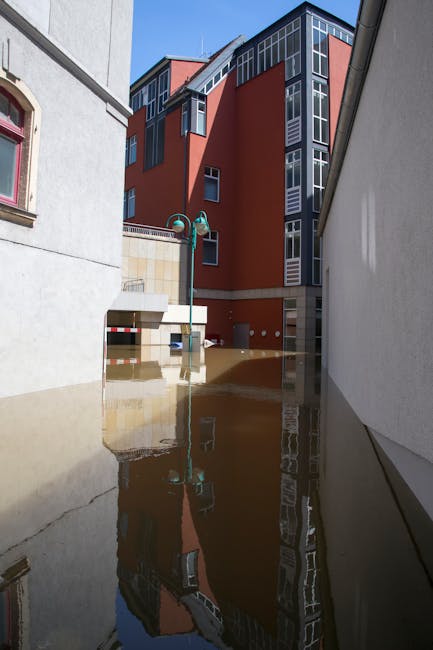
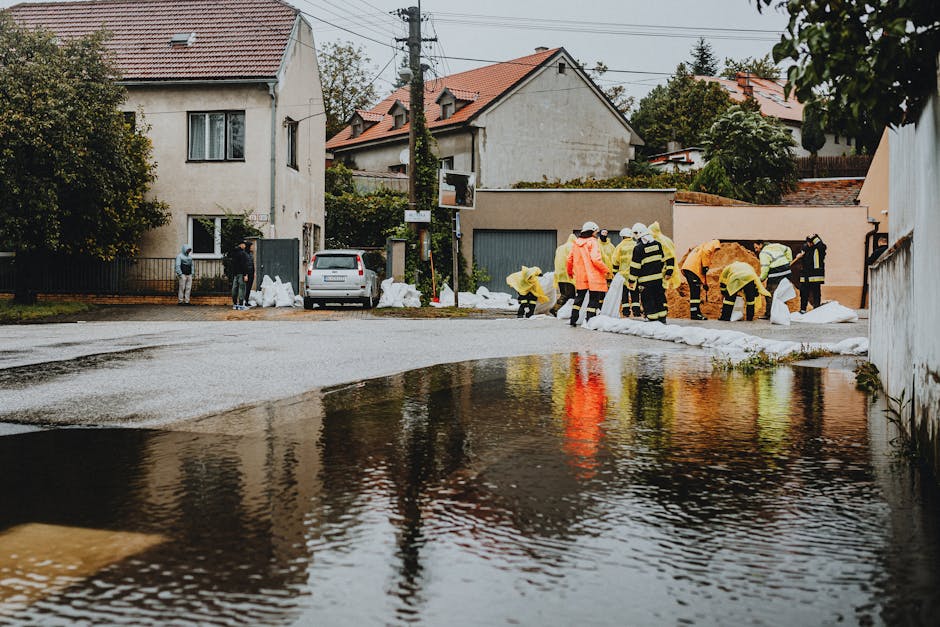
Urgent Rubbish Collection for Flooded Basements in SW7
A flooded basement is never just an inconvenience. One minute it is storage, laundry space, plant room, or the place where all the "we'll deal with that later" items live; the next it is damp, heavy, smelly, and awkwardly full of ruined furniture, soaked cardboard, and debris. If you need urgent rubbish collection for flooded basements in SW7, the real challenge is not only getting things out quickly. It is getting them out safely, without spreading contamination, slowing drying, or making the mess worse.
In SW7, where properties range from mansion blocks and converted townhouses to mews homes and managed buildings, basement access can be tight and the layout can be tricky. That means a rushed clear-out done badly can cost more time, more money, and more stress. This guide breaks down what urgent basement rubbish removal involves, how it works, what to expect, and how to handle the job with a clear head. It also covers practical steps, local considerations, and the kind of judgement that matters when water has already done enough damage on its own.
If you are dealing with soggy furniture, broken storage units, damaged electrical items, or mixed waste after a flood, the aim is simple: clear the space quickly, keep everyone safe, and get the property ready for drying and recovery. To be fair, when a basement floods, speed matters, but so does doing the basics properly.
Table of Contents
- Why Urgent Rubbish Collection for Flooded Basements in SW7 Matters
- How Urgent Rubbish Collection for Flooded Basements in SW7 Works
- Key Benefits and Practical Advantages
- Who This Is For and When It Makes Sense
- Step-by-Step Guidance
- Expert Tips for Better Results
- Common Mistakes to Avoid
- Tools, Resources and Recommendations
- Law, Compliance, Standards, or Best Practice
- Options, Methods, or Comparison Table
- Case Study or Real-World Example
- Practical Checklist
- Conclusion
- Frequently Asked Questions
Why Urgent Rubbish Collection for Flooded Basements in SW7 Matters
Floodwater changes rubbish into a different problem altogether. A dry pile of old boxes in a basement is one thing; the same pile after a flood can become heavy, unstable, contaminated, and unpleasant very quickly. In the first few hours, damp paper, textiles, soft furnishings, and cardboard begin to absorb water, lose structure, and start smelling. If the flood involved dirty water, sewage backflow, or runoff from outside, the waste may need handling with extra caution.
In SW7, basements are often part of valuable residential and mixed-use properties, so delays can have a knock-on effect. The longer wet rubbish sits there, the more chance there is of mould growth, staining, floor damage, and lingering odours. You also end up making the drying process harder, because clutter blocks access to walls, sockets, corners, and hidden spaces where water can sit unnoticed.
There is another issue people sometimes overlook: insurance and building management. If your insurer, landlord, or managing agent expects prompt mitigation, leaving flooded waste in place for days can complicate matters. Quick rubbish collection is not about rushing blindly. It is about reducing secondary damage and showing you took sensible action at the right time.
Practical takeaway: if the basement is wet, cluttered, and beginning to smell, fast rubbish removal is usually one of the most valuable first steps you can take.
And let's face it, nobody wants to keep stepping around soggy furniture legs and swollen boxes in a dim basement with a torch in hand. That alone is reason enough to act quickly.
For related support on bigger clear-outs or after-renovation waste, you may also find commercial waste clearance and general rubbish removal useful as part of a broader recovery plan.
How Urgent Rubbish Collection for Flooded Basements in SW7 Works
Urgent basement rubbish collection is usually a fast-response clearance service designed to remove damaged items, load waste safely, and make the area usable for drying or follow-up repairs. The exact process depends on access, volume, and what has been affected, but the workflow normally follows a fairly sensible pattern.
1. Assessment of the waste and access
The first question is simple: what needs removing? That could include soaked furniture, broken shelving, ruined cardboard, carpet offcuts, plastic storage crates, damaged white goods, and debris washed in by the water. The team also needs to look at access points, stair width, lift use, parking constraints, and whether the basement has awkward corners or low headroom. In SW7, those small details can change the whole job.
2. Safety checks before lifting anything
Flooded basements can hide hazards. There may be unstable piles, sharp edges, contaminated water, exposed wiring, or slippery floors. A careful team will not simply start dragging items out. They will check the environment first and decide whether some items need to stay put until an electrician, plumber, or flood specialist has confirmed the area is safe.
3. Sorting waste into sensible categories
Once the space is safe enough to work in, rubbish is usually separated into categories such as general waste, bulky waste, salvageable items, and potentially contaminated material. This matters because not everything should be treated the same way. Wet cardboard, mouldy textiles, and damaged furniture are one thing; electricals, batteries, chemicals, and personal documents are another. Mixing them all together can create handling problems later.
4. Removal, loading, and transport
Items are then moved out carefully, often using protective equipment and suitable lifting techniques. For basement clearances, the route out is often the hardest part. Narrow stairs, wet steps, or limited street access can make the job physically demanding, so good planning matters more than brute force. Proper loading also keeps the property cleaner and reduces the chance of dragging muck back through the house.
5. Final sweep and handover
A good service does not end when the last item is carried out. The area should be left as clear as practical so drying teams, builders, or insurers can inspect the space. Sometimes a final sweep, photograph, or quick walkthrough saves a lot of back-and-forth later. Small thing, big difference.
If you need a wider clean-up after the rubbish is gone, basement clearance and property clearance are useful related services to consider, especially where the flood has affected more than just one room.
Key Benefits and Practical Advantages
The main advantage of urgent rubbish collection is obvious: it gets the damaged material out of the way fast. But the real value goes a bit deeper than that. In a flooded basement, speed creates momentum. Once the waste is gone, everything else becomes easier-drying, cleaning, inspection, repairs, insurance photographs, and even breathing room, literally and mentally.
Reduces secondary damage
Wet items can stain floors, trap moisture against walls, and make mould worse if left too long. Clearing them promptly helps reduce the chance of further deterioration. Truth be told, the damage often happens after the flood if people leave the space cluttered.
Makes drying more effective
Drying equipment cannot work properly if piles of rubbish are blocking airflow or hiding damp patches. Once the clutter is removed, dehumidifiers and fans can do their job more efficiently. That means the room starts to feel less swampy and more manageable.
Improves safety
Wet basements are slippery and unpredictable. Broken furniture, loose nails, glass, and warped shelving all create trip and cut hazards. Quick removal lowers the risk to residents, contractors, and building staff.
Supports a quicker return to normal
People usually need a basement back for storage, utilities, or access. The sooner the waste is removed, the sooner cleaning and restoration can start. That matters in busy homes, especially where everyday life is already disrupted.
Helps with documentation and decision-making
Once rubbish is sorted and taken away, it is easier to identify what was lost, what might be salvageable, and what needs specialist attention. That can help when speaking with insurers, landlords, or contractors. Not glamorous, but useful.
| Benefit | Why it matters after flooding | What it helps next |
|---|---|---|
| Fast clearance | Stops clutter and moisture from lingering | Drying, cleaning, repair work |
| Safer access | Reduces slip and trip risks | Inspection and recovery work |
| Better sorting | Keeps waste types separate | Disposal and compliance |
| Cleaner environment | Helps remove odours and contamination | Restoration and re-use of the space |
| Less stress | Removes a visible part of the mess | Better decisions under pressure |
Who This Is For and When It Makes Sense
This service is relevant to a surprisingly wide group of people. It is not only for severe flood events, either. Sometimes the basement has taken on a little water, but the rubbish inside is now swollen, dirty, and unusable. That still calls for urgent action.
- Homeowners dealing with a flooded utility room, storage cellar, or converted basement.
- Tenants who need to clear damaged belongings and protect the property from further issues.
- Landlords and agents managing post-flood recovery in flats or houses with basement space.
- Managing agents and block managers responsible for shared access areas, plant rooms, or storage rooms.
- Local businesses with basement stockrooms, archives, or back-of-house storage.
- Contractors and restoration teams who need waste removed before drying, building repairs, or mould treatment can begin.
It makes sense when the waste is too much for a normal bin run, too heavy to move safely by one person, or too contaminated to keep around. It also makes sense when the basement needs to be cleared the same day because trades are due, water is still sitting there, or you simply cannot leave the mess another night.
Sometimes people try to "wait until tomorrow" and then tomorrow becomes next week. Basements do have a habit of becoming more unpleasant the longer they are ignored. Slightly rude of them, really.
Step-by-Step Guidance
If you are facing a flooded basement right now, a calm sequence usually works better than trying to do everything at once. Here is a practical way to handle it.
Step 1: Make the area safe enough to enter
Check for visible electrical hazards, strong odours, unstable items, and slippery standing water. If there is any sign of sewage contamination, gas smell, or electrical danger, stop and get professional help. Safety first. Always.
Step 2: Identify what is ruined, what is salvageable, and what is unknown
Some things are obvious. Soaked cardboard, collapsed shelves, and waterlogged textiles usually need to go. Other items, like metal furniture, hard plastics, or sealed storage boxes, may be recoverable depending on the water type and exposure time. If in doubt, keep the decision conservative. Wet materials can hide nastier surprises than they look like from the doorway.
Step 3: Separate items before removal if practical
Create loose groups: general waste, bulky items, electricals, personal documents, and anything potentially contaminated. You do not need a museum-grade sorting system. Just a sensible one. That makes the collection cleaner and reduces mistakes later.
Step 4: Photograph the damage before items are removed
If you are planning to make an insurance claim or need to show the extent of the flood to a landlord or managing agent, take photos first. Capture wide shots and a few close-ups. Once the space is cleared, the evidence is gone. A quick phone call before the rubbish team arrives can save a lot of hassle.
Step 5: Arrange urgent collection with access details
Give clear information about the basement access, parking, stair width, item size, water level, and whether the waste needs special handling. If the job is in SW7, mention any controlled parking or building restrictions too. It helps the crew arrive prepared instead of improvising at the front door.
Step 6: Clear the route out
Move small valuables, pets, and anything fragile out of the path. If you can make the stairwell or hallway easier to use, the whole removal will go more smoothly. Good access is half the battle in a basement job.
Step 7: Follow up with drying and repair work
Once the waste is gone, get air moving. Open windows where safe, use dehumidifiers if available, and bring in drying or restoration support if needed. The rubbish collection is the start of recovery, not the end. That distinction matters.
Expert Tips for Better Results
In practice, the best outcomes often come from a few simple habits. They are not dramatic, but they save time and reduce the chance of making the flood worse.
- Act before mould becomes visible. If items are left wet and piled up, mould can begin in hidden areas before anyone notices.
- Keep electricals separate. Do not toss contaminated plugs, appliances, or cables into mixed waste without thinking it through.
- Use gloves and sturdy footwear. Even a short basement job can involve sharp debris, slimy floors, and awkward lifting.
- Work from the clearest route outward. It reduces the chance of trapping yourself behind a pile of rubbish.
- Leave a margin for drying access. Don't just clear the centre of the room; the edges and corners matter too.
- Plan for smell control. Wet fabric, food waste, and cardboard can make the basement feel unbearable by evening.
- Be honest about contamination. If sewage is involved, say so early. It changes the handling approach.
A small but useful tip: if the basement contains old archive boxes, photographs, or paperwork, do not assume everything is lost. Some dry documents may be salvageable if they were stored above the waterline. But once paper is soaked through, it tends to go from "sort this later" to "no, really, deal with it now" quite fast.
Also, if the property is shared or managed, tell neighbours or building staff what is happening. A quick heads-up avoids confusion, especially where bins, hallways, and access points are shared.
For busy properties needing a broader clean-up plan, house clearance and end of tenancy clearance can be relevant next steps once the immediate flood waste has been dealt with.
Common Mistakes to Avoid
Flooded basements are stressful, and stress makes people do slightly odd things. Fair enough. But a few common mistakes tend to make the job harder than it needs to be.
Leaving wet rubbish in place "until you can deal with it properly"
This is the big one. Wet waste starts to smell, disintegrate, and attract more problems. Even a short delay can make the room harder to restore.
Mixing contaminated items with clean salvageable ones
Once everything is bundled together, it becomes harder to sort, and you may lose items that could have been saved. Keep clean items separate where possible.
Trying to move large items without checking the route
Basement stairs can be narrow, steep, or awkward. A big wardrobe or soaked sofa may not be able to turn the corner. Measure first, or at least look properly. It sounds obvious, yet people forget in the rush.
Ignoring electrical risks
Floodwater and electricity do not belong together. If sockets, extension leads, appliances, or fixed wiring have been affected, do not treat them casually.
Assuming all waste can go in normal household bins
That may be unrealistic if there is bulky, contaminated, or excessive material. Waste must be handled according to its type and volume.
Failing to document the damage first
Once items are removed, you may struggle to prove what was there. A few photos can make later claims much easier.
Overlooking odours and hidden moisture
The rubbish may be gone, but damp skirting, wall cavities, under-stair pockets, and hidden corners can still hold moisture. That is where follow-up attention matters most.
Tools, Resources and Recommendations
You do not need a shed full of specialist kit to start sensible flood recovery, but a few basics make a real difference. The point is to be prepared without overcomplicating it.
- Heavy-duty gloves for handling broken or dirty items.
- Sturdy, waterproof footwear with grip, especially on wet stairs.
- Tough rubbish bags and sacks for smaller debris and contaminated light waste.
- Torches or headlamps for dark basement corners.
- Basic cleaning supplies for initial wipe-downs once unsafe waste has been removed.
- Phone camera for photos before and after the clearance.
- Dehumidifier or fans where drying is appropriate and safe.
For larger or more complex situations, it helps to work with a team that understands basement access, flood waste, and tight turnaround times. A service with experience in same-day rubbish collection can be especially useful when you need the room cleared before trades arrive or before another night of damp sets in.
If the waste includes a large amount of furniture or awkward bulky items, a dedicated bulky item collection approach may be the most efficient route. And if the basement is only one part of a much bigger move-out or recovery job, office clearance may be relevant for mixed-use premises with storage or back-office space below ground.
Law, Compliance, Standards, or Best Practice
Waste removal in the UK needs to be handled responsibly, and basement flood clearance is no exception. While the exact legal duties depend on who owns the property, what kind of waste is involved, and whether the material is contaminated, the general principle is straightforward: waste should be collected, transported, and disposed of properly by people who understand the rules and use appropriate disposal routes.
If the flood has involved sewage, chemicals, fuel, asbestos-containing materials, or electrical waste, the job becomes more sensitive. Those items should not be treated like ordinary household rubbish. In many real-world situations, specialist advice is the sensible move, especially where health risks or regulated waste categories may be involved. It is better to pause and check than to guess.
Good practice also includes:
- keeping walkways as clear as possible during removal,
- separating waste types where practical,
- protecting workers and occupants from slips, cuts, and contamination,
- avoiding unnecessary disturbance of wet, mouldy, or unstable items,
- coordinating with building managers, insurers, or restoration contractors when needed.
For leasehold or managed buildings in SW7, there may also be practical building rules about service lifts, refuse storage, access times, and parking. These are not just annoying admin details; they affect how quickly the clearance can happen. A small bit of coordination up front saves a lot of back-and-forth later.
If there is any doubt about contaminated waste, hazardous materials, or structural risk, the safest course is to get the right professional input before moving items too far. Common sense is still a useful standard. Probably the most useful one, in fact.
Options, Methods, or Comparison Table
Not every flooded basement needs the same approach. The best method depends on the amount of waste, the type of material, and how urgent the situation is. Here is a practical comparison.
| Method | Best for | Pros | Limitations |
|---|---|---|---|
| Self-clearance | Very small amounts of light, safe waste | Low immediate cost, immediate start | Risky if items are heavy, wet, or contaminated; time-consuming |
| Scheduled collection | Non-urgent basement waste with flexible timing | Simple to arrange, good for planned jobs | Too slow if drying or repairs need to start now |
| Same-day clearance | Flooded basements needing quick turnaround | Fast, reduces damage, supports restoration | May depend on access and team availability |
| Specialist contamination handling | Sewage-affected or hazardous waste | Safer and more appropriate for risky materials | Requires proper identification and may take longer |
For most people in SW7, the decision is less about theory and more about practical pressure. Do you need the basement ready for drying today? Are the stairs safe enough? Is the waste wet, heavy, and awkward? If the answer to those questions is yes, urgent collection usually makes the most sense.
Case Study or Real-World Example
Here is a realistic example based on the kind of job that comes up more often than people expect.
A basement storage room in a South Kensington property took on water overnight after heavy rain and drainage issues. By the morning, the room held soaked cardboard boxes, a broken shelving unit, old children's toys, a mattress protector, and several bags of mixed household rubbish that had been stacked near the wall. Nothing dramatic on its own. Taken together, though, it was a sodden, cramped mess with a strong smell and very little safe walking space.
The first step was to stop any further movement into the room and photograph everything for the records. Next came a quick sort: items obviously beyond saving were separated from a few dry boxes that could be moved to safety. The rubbish collection team was then called with detailed access information, including the narrow stairwell and the fact that parking outside would be tight. That mattered more than anyone wanted it to.
Because the waste was removed quickly, the basement could be dried the same day rather than several days later. A dehumidifier was placed after the clear-out, and the remaining damp areas were easier to inspect. The result was not magical. The flood still happened. But the recovery moved faster, the smell dropped, and further damage was reduced.
The lesson is simple: in a basement flood, the rubbish itself is often part of the problem, but also part of the solution. Once it is gone, you can finally see what you are dealing with.
Practical Checklist
Use this checklist if you need to act fast and want to stay organised.
- Check for immediate danger: electricity, sewage, gas, unstable items, sharp debris.
- Photograph the flooded area before moving anything.
- Identify which items are ruined, salvageable, or uncertain.
- Separate electrical items, documents, and contaminated waste if possible.
- Measure or inspect access routes, stairs, and lift restrictions.
- Clear the route out of the basement and protect nearby floors if needed.
- Book urgent rubbish collection and share access details clearly.
- Arrange follow-up drying, cleaning, or repair work once the space is clear.
- Keep notes for insurance, landlord, or managing agent updates.
- Do a final check for hidden damp spots, smells, or remaining debris.
Quick reminder: if it feels unsafe, stop. Flood recovery is important, but nobody wins by trying to prove how brave they are on a wet basement step.
If you are planning a broader clear-out after the emergency, garage clearance may also be relevant for items stored elsewhere on the property that were affected or need moving temporarily.
Conclusion
Urgent rubbish collection for flooded basements in SW7 is about more than getting rid of damaged items. It is about reclaiming the space quickly, reducing secondary damage, and making the next stage of recovery possible. When water, clutter, and time all start working against you, a fast and careful clearance makes a real difference.
The best approach is simple enough: check safety, sort sensibly, move quickly, and make sure the waste is handled in a way that suits the type of flood damage involved. In a place like SW7, where access can be awkward and properties often have basement layouts that punish poor planning, a calm and practical response saves time and stress. Not perfect, just practical. That is usually enough.
For homeowners, landlords, and managing agents alike, the next sensible step is to get the space cleared so drying and repairs can begin without delay. Get a free quote today and see how much you can save.
And if you are standing at the basement door wondering where to start, start with the first safe step. The rest gets easier once the rubbish is out of the way.
Frequently Asked Questions
How quickly can flooded basement rubbish be collected in SW7?
In many cases, urgent collection can be arranged the same day or at short notice, depending on access, volume, and the type of waste. If the basement is badly flooded, give clear details early so the team can arrive prepared.
Can wet furniture and cardboard be removed straight away?
Usually yes, provided it is safe to do so. Wet cardboard, damaged furniture, and soaked soft furnishings are often best removed quickly because they hold moisture and can create odours and mould issues.
What if the flood water was dirty or possibly contaminated?
That changes the risk level. If sewage, chemicals, or foul water may be involved, the waste should be handled with extra care. It is sensible to mention this before collection so the right approach can be used.
Do I need to sort the rubbish before the collection team arrives?
You do not need to fully sort everything, but a rough separation helps. Keep electrical items, documents, and any potentially contaminated waste apart if you can do so safely.
Will the team remove items from a narrow basement stairwell?
Often yes, but access matters a lot. Narrow stairs, low ceilings, and awkward turns can affect what can be moved and how quickly. Sharing access details in advance helps avoid surprises.
Is urgent rubbish collection the same as basement clearance?
They overlap, but they are not always the same thing. Urgent rubbish collection focuses on fast removal of damaged waste, while basement clearance can be broader and include full emptying of the room or storage area.
What should I do before the rubbish collectors arrive?
Take photos, check for immediate hazards, clear a path if safe, and separate anything you want to keep. If there are electrical dangers or suspected contamination, do not handle those items casually.
Can insurance claims be affected if I remove rubbish too soon?
Potentially, which is why photos and notes matter. In most situations, removing damaged waste quickly is reasonable mitigation, but you should keep a record of the condition before clearance wherever possible.
How do I know if an item is salvageable after basement flooding?
That depends on the material, how long it was wet, and what type of water was involved. Solid items may sometimes be cleaned and dried, while paper, fabric, and upholstered items are often less recoverable.
Are there rules for disposing of flood-damaged rubbish in London?
Yes, waste should be handled responsibly and in line with the type of material involved. Contaminated items, electrical waste, and bulky waste may need different handling from normal household rubbish, so it is best not to guess.
What if I only have a small amount of waste but need it removed fast?
That is still a valid reason to request urgent collection. Sometimes a small quantity of soaked rubbish is causing a much bigger problem because it is blocking drying or access.
Should I wait for the basement to dry before booking rubbish collection?
Usually not. In many cases, clearing the waste first helps the drying process begin sooner. The key is to do it safely and make sure any hazards are checked before work starts.