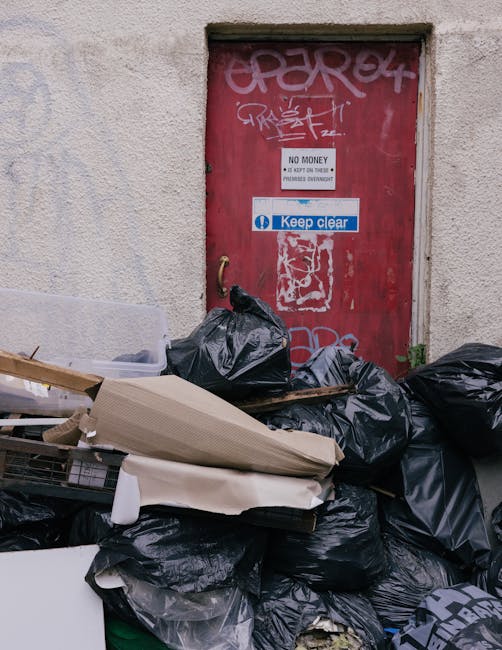
Fines & Permits: Skip and Rubbish Laws in South Kensington
If you are planning a clearance, refurbishment, or a simple bulky waste tidy-up, the rules around skips and rubbish in South Kensington can feel oddly fussy. One minute you are trying to clear space, the next you are worrying about permits, parking, fly-tipping fines, and whether that pile of waste by the kerb is actually allowed to sit there overnight. Truth be told, that worry is sensible.
This guide explains Fines & Permits: Skip and Rubbish Laws in South Kensington in plain English. You will learn when a skip permit is needed, what usually triggers fines, how rubbish disposal works in practice, and how to avoid the mistakes that cause delays or extra costs. It is written for anyone who wants to stay compliant without turning a straightforward job into a paperwork headache.
For readers handling larger clearances, it can also help to understand the wider service options available through waste removal support and related clearance services such as builders waste clearance or house clearance.
Table of Contents
- Why Fines & Permits: Skip and Rubbish Laws in South Kensington Matters
- How Fines & Permits: Skip and Rubbish Laws in South Kensington Works
- Key Benefits and Practical Advantages
- Who This Is For and When It Makes Sense
- Step-by-Step Guidance
- Expert Tips for Better Results
- Common Mistakes to Avoid
- Tools, Resources and Recommendations
- Law, Compliance, Standards, or Best Practice
- Options, Methods, or Comparison Table
- Case Study or Real-World Example
- Practical Checklist
- Conclusion
- Frequently Asked Questions
Why Fines & Permits: Skip and Rubbish Laws in South Kensington Matters
South Kensington is not the sort of place where waste can be treated casually. Space is tight, streets are busy, and parking is often limited. That means a skip placed without the right permission can quickly become a problem for residents, businesses, and neighbours alike. The rules matter because a small lapse can become a costly one.
There are two big risks people usually underestimate. First, a skip placed on public highway space often needs permission. Second, rubbish left out incorrectly can be treated as an offence, especially if it creates an obstruction or looks like fly-tipping. Those are not the same thing, and that distinction matters more than people expect.
Let's face it: most people do not wake up excited to read about waste regulations. But if you are renovating a flat, clearing out an office, or dealing with post-move clutter, knowing the basic law can save a lot of stress. A permit is not just a formality. It is part of protecting pedestrians, traffic flow, and your own wallet.
This is especially relevant if you are arranging a larger project and considering services such as office clearance or flat clearance, where waste volume and access issues often shape the whole plan.
How Fines & Permits: Skip and Rubbish Laws in South Kensington Works
In practical terms, the process usually comes down to location, container type, and how the waste is presented. If a skip sits entirely on private land, the rules are often simpler. If it needs to go on the road or pavement, permission from the relevant authority is commonly required. In London, that usually means checking the local highway and parking constraints before anything arrives.
Rubbish laws are broader than skip permits. They also cover how waste is stored, moved, and collected. Bags left outside too long, overflowing bins, dumped furniture, or piles of builders' waste can all lead to complaints or enforcement action. The rule of thumb is simple: if waste is placed where it should not be, or left in a way that causes nuisance, the risk goes up fast.
There is also a practical side to this. A reputable clearance operator should know what can be removed immediately, what needs scheduling, and whether a skip is even the best tool for the job. For example, a quick one-off furniture job may be better served by furniture disposal rather than a skip sitting outside for several days.
Here is the simplest way to think about it:
- Private land: often easier, but still must be safe and sensible.
- Public road or pavement: a permit is usually the key question.
- Loose rubbish left out: can trigger complaints, fines, or removal notices.
- Mixed waste from works: needs sorting, secure handling, and good timing.
If you are dealing with recurring waste from a business, options such as business waste removal may be more suitable than trying to make a one-off skip do everything.
Key Benefits and Practical Advantages
Getting the law and permit side right is not just about avoiding penalties. It actually makes the whole job smoother. You know where the waste is going, who is responsible, and how long it can stay where it is. That clarity is worth a lot when people are already juggling builders, tenants, property managers, or office teams.
Some of the main benefits include:
- Fewer delays because access and collection are planned properly.
- Lower risk of fines from unpermitted placement or badly managed waste.
- Better safety for pedestrians, residents, and workers.
- Cleaner streets and entrances, which matters in a place like South Kensington where appearances and access both count.
- More predictable costs because you are less likely to deal with enforcement issues or emergency rebooking.
There is also a less obvious benefit: better neighbour relations. A permit-controlled skip or a tidy, timely clearance is far less likely to upset the person next door. And once a neighbour is annoyed, well, that can snowball quickly. No one wants that.
Expert summary: The smartest approach is usually to treat skip and rubbish compliance as part of project planning, not as an afterthought. If access, timing, and waste type are decided early, the risk of fines drops and the job runs more cleanly.
Who This Is For and When It Makes Sense
This topic matters for a wider group than people first assume. It is not only for builders or large commercial sites. In South Kensington, even a modest home project can create waste that needs careful handling.
You may need to think about permits and rubbish laws if you are:
- renovating a flat or maisonette
- clearing out a basement, loft, or garage
- removing old furniture after a move
- managing office refurbishment waste
- disposing of garden materials from a tidy-up
- handling builders' rubble, timber, or packaging
- dealing with bulky items that cannot just be placed out front
If your property has awkward access, limited frontage, or no courtyard space, the decision often becomes more important. In a narrow street on a damp Tuesday morning, the last thing anyone wants is a skip blocking the wrong bit of pavement while contractors debate whose turn it is to move a van. It happens. More often than you think.
For households doing a broader clear-out, services like home clearance, garage clearance, and loft clearance can be more efficient than piecing together multiple waste runs.
Step-by-Step Guidance
Here is a practical way to approach a skip or rubbish disposal job without getting caught out.
- Identify the waste type
Separate general household items, furniture, builders' waste, green waste, and anything hazardous. Different waste streams have different handling expectations. A mixed pile is where mistakes start. - Check whether the container will sit on private or public land
If it is going on a driveway or enclosed site, you may have more flexibility. If it needs to go outside on the street, a permit question comes first. - Estimate the volume properly
Too small, and you need a second collection. Too large, and you may pay for unused capacity. It sounds obvious, but this is where a lot of budgets wobble. - Confirm timing and access
Think about delivery windows, parking space, neighbour access, and collection timing. A skip placed at the wrong time can be as annoying as one placed in the wrong place. - Choose the most suitable method
Sometimes a skip makes sense. Sometimes a man-and-van style collection or a targeted clearance is cleaner and cheaper. For domestic projects, flat clearance or house clearance may fit better. - Keep the waste tidy and contained
Do not let loose items spread, spill, or block access routes. Secure materials where needed. A tidy pile is not just nicer to look at; it is safer. - Document the plan
Keep a record of what is being removed, when, and by whom. For businesses, this is particularly useful if questions come up later.
A useful little habit: take a quick photo before and after. It is boring, yes, but it helps if you need to show what was left, what was removed, or what the site looked like at handover.
Expert Tips for Better Results
Here are a few practical things that make a real difference, especially in busier parts of London.
- Plan for the awkward items first. Sofas, wardrobes, desk systems, and builders' rubble usually determine the vehicle or container size.
- Do not leave permit decisions to the last minute. That is where weekend delays and surprise costs creep in.
- Separate recyclable materials where possible. This often makes the whole job cleaner and can support better waste handling. If sustainability matters to you, take a look at recycling and sustainability.
- Check what the clearance team will and will not take. Not every item can be handled the same way.
- Keep the access route clear. A staircase full of boxes or a hallway packed with chairs is how minor jobs become messy ones.
One more thing: if you are comparing providers, ask how they handle compliance and insurance. That question tells you more than a glossy sales pitch ever will. A clear answer is a good sign. A vague one, not so much.
Common Mistakes to Avoid
Most fines and permit problems are not dramatic. They come from ordinary mistakes made in a hurry.
- Assuming a skip can go anywhere without checking where it will sit.
- Overfilling the container, which can create unsafe overhang and transport issues.
- Leaving rubbish outside "just for now" and forgetting about it.
- Mixing waste streams carelessly, especially builders' waste with household items.
- Ignoring access problems such as narrow roads, resident permits, or delivery restrictions.
- Using the wrong service for the scale of the job.
It is also easy to assume that a small pile cannot matter. But in dense streets, even a small pile can obstruct pavements or attract complaints. That is how a simple clean-up becomes a compliance issue. Bit of a nuisance, really.
Tools, Resources and Recommendations
You do not need fancy tools to stay on the right side of the rules, but a few practical aids help enormously.
- Measuring tape for checking item sizes and access widths.
- Phone camera to record the site before and after.
- Simple checklist for separating waste categories.
- Calendar reminder for permit dates, collection windows, and move-out deadlines.
- Notepad or notes app for recording what the team said about access or timings.
If you want a professional route with less admin, it may be worth using a provider that also offers pricing and quotes upfront, so you can compare the cost of a skip against alternative collection methods before committing.
For larger or specialist jobs, these services can also be relevant:
- builders waste clearance for renovation debris
- office clearance for desks, chairs, and archived items
- furniture clearance for bulky household pieces
- garden clearance for soil, cuttings, and outdoor clutter
Law, Compliance, Standards, or Best Practice
This topic sits at the intersection of waste law, local highway control, and practical site management. The exact permit process depends on where the skip is placed and the local authority's requirements at the time. Because rules can change, it is safest to treat any permit question as something to confirm before the delivery date rather than after.
Best practice usually includes:
- keeping waste contained and clearly identifiable
- avoiding obstruction of footways, driveways, and fire routes
- making sure loads are safe to transport
- using a properly insured and competent waste carrier
- keeping records of what was removed and when
For commercial clients, compliance is even more important. Office refurbishments, shop fit-outs, and multi-unit property clearances can create overlapping responsibilities. If waste handling is poor, the issue is not just a possible fine; it can become a contract, insurance, or reputation problem too.
Where building work is involved, combining a permit-aware waste plan with insurance and safety considerations is a smart move. It keeps the project practical and reduces the chance of awkward questions later.
Options, Methods, or Comparison Table
Not every waste problem needs a skip. Sometimes the better answer is the simpler one. Here is a practical comparison to help you think it through.
| Method | Best for | Typical advantages | Common drawbacks |
|---|---|---|---|
| Skip with permit | Medium to large waste volumes, especially renovation debris | Handles substantial loads; convenient on active sites | Permit may be required; can occupy space for several days |
| Direct waste removal | Mixed household, office, or bulky items | Often quicker; less street occupancy; less paperwork | May need sorting or staged loading |
| Targeted clearance service | Homes, flats, offices, garages, lofts | Hands-on help; useful when items are awkward or heavy | Not ideal for very large construction volumes |
| Specialist builders' clearance | Dusty, heavy, or irregular refurbishment waste | Better suited to site conditions and bulk debris | Still needs proper planning and access management |
In practice, the right choice often depends on three things: how much waste you have, where it has to sit, and how quickly it needs to disappear. Simple enough, but those three details decide most outcomes.
Case Study or Real-World Example
A common South Kensington scenario goes like this. A flat is being refreshed between tenancies. There is an old sofa, broken shelving, a pile of packaging from new furniture, and a few bags of mixed rubbish from the final clean. The first instinct is often to order a skip, place it outside, and get on with it.
But then the access becomes the problem. The road is tight, parking is already pressured, and the building has no spare frontage. The team realises the skip would need to sit on the highway, which means checking permit requirements and timing. Suddenly the easy option is not so easy.
In that kind of case, a targeted clearance approach can be much smoother. Furniture is removed directly, loose waste is bagged properly, and the job is finished without leaving a container on the street all week. If the flat needs a broader reset, a combined approach using flat clearance and selective furniture disposal can be cleaner than forcing everything into one skip-sized solution.
The lesson is simple: the best answer is not always the biggest container. Sometimes it is the most sensible one.
Practical Checklist
Use this before booking anything:
- Have I identified the exact waste types?
- Will the skip or rubbish sit on private land or public highway space?
- Do I need a permit or permission of any kind?
- Is the access route wide and safe enough?
- Have I estimated the volume realistically?
- Do I need a skip, or would direct removal be better?
- Have I separated recyclable and non-recyclable items where possible?
- Do I know when the waste will be collected?
- Have I checked the provider's insurance and process?
- Am I keeping the site clear and tidy while the waste is waiting?
If you can tick most of those off, you are in much better shape than the average rushed booking. And yes, rushed bookings are where the headaches usually begin.
Conclusion
Skip and rubbish rules in South Kensington are not there to make life difficult. They exist because space is limited, streets are busy, and unmanaged waste can create real problems very quickly. Once you understand when permits matter, how waste should be stored, and when a skip is actually the wrong tool, the whole process becomes far less intimidating.
The most reliable approach is to plan early, keep waste tidy, and choose the disposal method that fits the job rather than the one that seems easiest in the moment. That small bit of forethought usually saves time, money, and a fair bit of stress.
If you are comparing options for a clearance project, especially in a busy London setting, it helps to speak with a team that understands access, safety, and waste handling as part of the service. For general information about the business and how it works, you can also visit about us or review the terms and conditions before booking.
Get a free quote today and see how much you can save.
Good planning keeps the street clear, the project moving, and your mind a little lighter. That part matters more than people think.
Frequently Asked Questions
Do I need a permit for a skip in South Kensington?
If the skip will sit on public highway space such as a road or pavement, a permit is commonly required. If it stays entirely on private land, the position is usually simpler, but access and safety still matter.
What happens if I put rubbish out without arranging collection properly?
Loose rubbish left in the wrong place can lead to complaints, enforcement action, or removal costs. If it blocks access or looks like dumped waste, the risk increases quickly.
Is a skip always the cheapest option?
Not always. For smaller or mixed jobs, direct removal or a targeted clearance service may be better value because you avoid paying for unused skip space or extra permit administration.
Can I leave a skip on the pavement outside my property?
Only if the relevant permission has been obtained and the placement is acceptable. In a dense area like South Kensington, pavement use is exactly where you need to be careful.
What kind of waste is hardest to manage?
Mixed waste is often the trickiest because it combines bulky items, general rubbish, and sometimes builders' materials. It slows sorting and can complicate the choice of disposal method.
How do I know whether I should use a clearance service instead of a skip?
If access is tight, the waste is mainly bulky household items, or you want a quicker end-to-end removal, a clearance service may be the more practical choice.
Are office clearances treated differently from house clearances?
Often, yes in practice. Offices may involve desks, IT equipment, archived paperwork, and more strict timing around building access. A suitable plan matters, especially if the site is busy.
What should I do if I live in a flat with no driveway?
That is a common South Kensington problem. You may need to consider a permit-controlled skip or, often better, a direct removal service that avoids leaving a container outside for days.
Can builders' waste be mixed with household waste?
It can be mixed in one job, but it should be planned carefully. The waste type affects loading, handling, and sometimes the best disposal method, so do not leave it to chance.
How can I reduce the risk of fines?
Plan access early, confirm whether a permit is needed, keep waste contained, avoid overfilling, and use a provider that understands local compliance expectations.
Is recycling important when clearing waste?
Yes. Sorting reusable or recyclable materials where possible helps reduce landfill dependency and usually supports a cleaner, more efficient clearance process.
Who should I contact if I need help choosing the right option?
Start with a provider that can explain the difference between skip hire, removal, and clearance services clearly. If you need to ask questions or discuss a project, the contact page is the sensible place to begin.