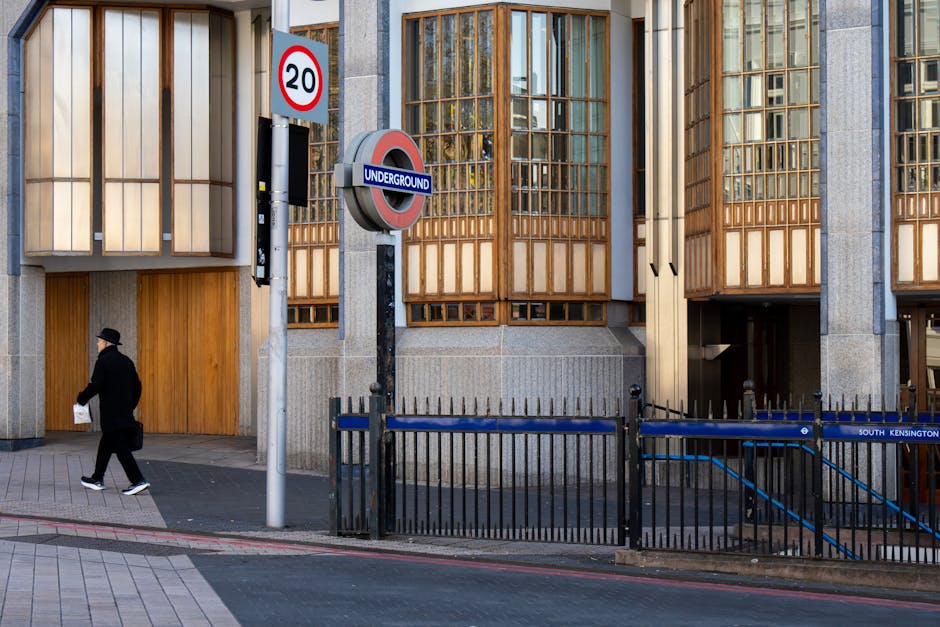
Bulky Waste Pickup Near South Kensington Station (SW7): A Practical Guide for Homes, Flats, and Busy London Premises
If you are looking for Bulky Waste Pickup Near South Kensington Station (SW7), chances are you have an awkward item or two in the way and you want them gone without turning the day into a logistics puzzle. Maybe it is a broken sofa in a first-floor flat, a heavy wardrobe that will not fit through a narrow hallway, or a stack of old office chairs waiting to be dealt with properly. Around South Kensington, that sort of job can get tricky fast. Tight streets, limited loading space, shared entrances, lift access, and busy foot traffic all make bulky item removal a little more involved than simply putting something out the front. This guide walks through how it works, what to expect, and how to choose the right approach with confidence.
Truth be told, bulky waste clearance is one of those tasks people postpone until the pile becomes impossible to ignore. Then the questions start: Will it be collected quickly? Do I need to move it downstairs myself? What happens if the item is too large for standard bins? And how do you make sure it is handled responsibly? Let's break it down properly.
Quick take: the best bulky waste pickup is the one that fits your access, timing, and disposal needs without creating extra hassle. In a place like SW7, that often means planning a little more carefully than you would elsewhere.
Table of Contents
- Why Bulky Waste Pickup Near South Kensington Station (SW7) Matters
- How Bulky Waste Pickup Near South Kensington Station (SW7) Works
- Key Benefits and Practical Advantages
- Who This Is For and When It Makes Sense
- Step-by-Step Guidance
- Expert Tips for Better Results
- Common Mistakes to Avoid
- Tools, Resources and Recommendations
- Law, Compliance, Standards, or Best Practice
- Options, Methods, or Comparison Table
- Case Study or Real-World Example
- Practical Checklist
- Conclusion
- Frequently Asked Questions
Why Bulky Waste Pickup Near South Kensington Station (SW7) Matters
South Kensington is a very particular part of London. It is elegant, busy, and often a bit cramped in the practical sense. That matters because bulky waste is not just about disposal; it is about movement, access, timing, and being considerate to neighbours and other building users. A sofa left in a hallway is not only inconvenient, it can become a fire escape issue. A fridge left in a shared courtyard can attract complaints. A broken desk sitting in a basement corridor is just waiting to create friction with residents, cleaners, or building management.
In SW7, bulky waste pickup often needs to work around real-life constraints: estate rules, concierge access, parking restrictions, and the simple fact that some properties have more stairs than sensible people would ever choose. You know the kind of place. Lovely from the outside, slightly challenging once you start carrying a chest of drawers downstairs.
There is also the responsibility side. Bulky waste should not just disappear into thin air. It needs to be moved, sorted, and disposed of properly, ideally with reuse or recycling where possible. That is especially relevant for items like furniture, appliances, and office equipment. If a service provider cannot explain what happens next, that is a signal to ask more questions.
Expert view: in busy central London locations, the right pickup service is less about speed alone and more about access planning, safe handling, and clear disposal practices.
How Bulky Waste Pickup Near South Kensington Station (SW7) Works
Although every provider works a little differently, the basic process is usually straightforward. First, you identify what needs removing. Then you give enough detail for the collection to be assessed properly: item type, quantity, floor level, access, parking constraints, and whether any disassembly is needed. After that, a collection slot is arranged and the items are taken away.
In simple terms, bulky waste pickup is designed for items that are too large, too heavy, or too awkward for regular bin collections. This can include sofas, tables, wardrobes, beds, mattresses, filing cabinets, gym equipment, shop fixtures, and mixed household clutter. Depending on the service, some providers also handle light strip-out waste or mixed office contents, though that should always be agreed in advance.
Near South Kensington Station, access details matter more than most people expect. A five-minute lift job in one building may become a twenty-minute carry in another. Ground-floor collection sounds easy until you realise the item is wedged behind a narrow doorway and the turning angle is hopeless. Small details like these often decide how smooth the day feels.
A good service will usually ask a few practical questions before confirming the pickup:
- What items need collecting?
- How many people will be available on site?
- Is there lift access or only stairs?
- Is the item dismantled or still assembled?
- Can the vehicle stop nearby?
- Are there any time restrictions from the building or street?
That may sound a bit fussy, but it saves everyone a headache. And, to be fair, nobody enjoys discovering on arrival that a wardrobe will not fit around the landing corner.
If your removal is part of a larger clearance, it may make sense to look at related services such as furniture clearance, house clearance, or office clearance. Those options can be more efficient when bulky waste is only one part of the job.
Key Benefits and Practical Advantages
The obvious benefit is getting space back. But there is a little more to it than that. A proper bulky waste pickup can reduce stress, avoid injury, and prevent items from sitting around for weeks because they are too difficult to shift alone. In a central London setting, convenience is often the real win.
Here are the main advantages people tend to notice:
- Time saved: you avoid trying to hire a van, recruit helpers, or make several trips.
- Safer handling: heavy or awkward objects are moved by people used to managing them.
- Cleaner premises: clutter disappears before it starts becoming a nuisance.
- Better access: hallways, reception areas, and storage rooms become usable again.
- More responsible disposal: items can be assessed for reuse, recycling, or proper waste processing.
There is also a less obvious benefit: decision relief. Once the item is booked for pickup, the mental noise dies down. That old cabinet you have been side-eyeing for two months? Gone from the list. It is oddly satisfying.
Where relevant, bulk removal can also support a broader property move, refurbishment, or end-of-tenancy clean-up. If you are already sorting the space, combining bulky waste with a broader clearance plan can feel much less fragmented. Sometimes one well-timed visit beats three half-finished attempts.
Who This Is For and When It Makes Sense
Bulky waste pickup near South Kensington Station is not just for one type of customer. In practice, it suits a wide mix of people and premises.
Common situations
- Residents in flats: especially those with narrow stairwells, limited lift space, or strict building rules.
- Landlords and letting agents: when tenants leave furniture behind or a property needs resetting between lets.
- Businesses: offices, studios, clinics, and retail units clearing old furniture or storage clutter.
- Homeowners: people replacing old furniture, clearing a garage, or preparing for decorating.
- Property managers: dealing with items left in communal areas or storage rooms.
It makes sense when the item is too bulky for normal waste routes, too heavy to move safely alone, or too awkward to transport in a standard vehicle. It also makes sense when speed matters. Maybe you have guests arriving. Maybe a refurbishment starts on Monday morning. Maybe the item is simply making a room unusable. Life happens.
If the job is broader than a single item, you may also want to explore flat clearance, home clearance, or garage clearance. These can be a better fit when the bulky waste is part of a larger clear-out rather than a standalone pickup.
One real-world pattern worth noting: people often think they only have "a few things" and then, once they start looking properly, the pile grows. That is normal. A single broken wardrobe can reveal two bedside tables, a mattress, and some forgotten boxes. Funny how that happens.
Step-by-Step Guidance
If you want the pickup to go smoothly, it helps to handle the job in a sensible order. A little prep saves a lot of back-and-forth.
- List every item clearly. Write down what is going, including quantity and approximate size. If there are appliances or special items, mention them separately.
- Check access. Look at stairs, lifts, corridors, door widths, and any locking or concierge arrangements. If the vehicle cannot park directly outside, say so early.
- Separate what can be reused or recycled. Good furniture or working equipment may have a different route from damaged items. That does not mean you need to sort everything perfectly, just enough to give a clear picture.
- Disassemble where sensible. Removing legs, shelves, or detachable parts can save time and reduce the risk of damage. Do not force anything though; that is how people end up with splintered panels and a sore back.
- Confirm timing. Make sure the appointment fits with building access, lift bookings, and any nearby loading restrictions.
- Prepare the route out. Move small obstacles, protect floors if needed, and make sure communal spaces are not blocked.
- Check what happens after collection. Ask how the waste is managed, especially if you care about recycling, donation suitability, or responsible disposal.
The smoother the handover, the faster the job. And that matters more in a place with lots of pedestrian activity, tight street space, and the general buzz of central London. You can almost hear the rhythm of it at certain times of day.
Expert Tips for Better Results
There are a few small habits that can make a bulky waste pickup go much better. None of them are complicated. Most are just common sense with a bit of experience behind them.
- Measure before you book: if an item is large, measure it. Do not rely on "roughly sofa-sized".
- Photograph awkward items: pictures help the provider judge access and loading needs more accurately.
- Tell the truth about access: if there are four flights of stairs and a tight turn, say so. It is better to over-explain than under-explain.
- Plan around neighbours: in shared buildings, a quieter time slot can reduce complaints and make the whole thing feel less disruptive.
- Bundle related jobs: if you have furniture, mattresses, and mixed clutter, deal with them together if that is practical. One visit is usually easier than several.
- Keep an eye on reuse potential: some items that look tired may still be suitable for reuse if they are structurally sound.
One small but useful tip: keep a clear path from the item to the exit before the team arrives. It sounds obvious, but hallway chairs, plant pots, and bicycle wheels love to appear at the worst moment. A little last-minute clearing helps more than people expect.
And if your job is connected to furniture refresh or office reconfiguration, you might find the related services page for furniture disposal useful when deciding whether an item should be removed as waste or handled as part of a broader clearance.
Common Mistakes to Avoid
Most bulky waste problems are avoidable. The same few mistakes keep cropping up, especially when people are trying to move quickly.
- Leaving booking until the last minute: that is how you end up with stress, delays, and limited options.
- Underestimating access issues: a narrow stairwell or awkward entrance can turn a simple job into a slow one.
- Forgetting to mention heavy items: some pieces need more than one person or specific handling.
- Mixing unknown waste together: if there are items that need special care, identify them early.
- Ignoring building rules: in apartment blocks or managed properties, access windows and lift protection may matter.
- Assuming all disposal is the same: it is not. Reuse, recycling, and residual waste are handled differently in practice.
One mistake deserves special mention: putting bulky items outside "just for a moment" and hoping they vanish. Sometimes people think that is harmless. It usually is not. It can create obstruction, complaints, or an avoidable mess. Better to arrange collection properly and keep control of the process.
Another one? Not checking whether the item needs to be emptied before pickup. Wardrobes, cabinets, and desks often hide more inside than you remember. A cupboard full of old files is not exactly a fun surprise when someone tries to lift it.
Tools, Resources and Recommendations
You do not need a toolkit the size of a trades van to manage bulky waste well. A few simple items and habits help the process go more smoothly.
- Tape measure: useful for checking whether items will fit through doors or into lifts.
- Phone camera: quick photos make it easier to explain the job clearly.
- Marker pen or labels: handy if you are separating items to keep, recycle, or remove.
- Protective gloves: sensible for moving lighter objects or sorting around sharp edges.
- Floor protection: cardboard, moving blankets, or basic coverings can help in older properties.
From a service perspective, it is worth looking for clear communication, transparent pricing, and sensible handling procedures. You can often tell a lot from how a provider answers basic questions. Do they ask the right follow-up questions? Do they explain access needs clearly? Do they sound like they have actually worked in places with stairwells, lifts, and tight turns? That matters.
If you want to compare broader service options, it can help to review waste removal alongside more targeted clearances such as builders waste clearance or loft clearance. The right choice depends on what you have, where it is, and how quickly you need it gone.
Law, Compliance, Standards, or Best Practice
When bulky waste is collected, the main practical concern is that it should be handled responsibly and in line with accepted waste management practice. In the UK, that generally means using a legitimate route for transport, sorting, and disposal, and avoiding anything that would leave waste fly-tipped or mishandled. You do not need to be an expert in waste law to want that, but it is worth asking a few sensible questions.
As a customer, you may want to know whether the provider can describe how items are managed after collection, especially if you have furniture, electrical items, or mixed materials. For items that can be reused, the best outcome is often reuse first, recycling second, and disposal only where necessary. That is the common-sense order, and it is usually the most responsible one too.
Health and safety matters as well. Heavy lifting, sharp edges, damaged frames, and awkward routes can all cause issues if the job is rushed. In a managed building, there may also be rules about protecting floors, keeping exits clear, and not blocking communal areas. Those are not just housekeeping details; they are there for a reason.
If you are using a service for a workplace or commercial premises, it is also sensible to consider documentation, insurance, and the provider's general safety approach. A clear policy set can be reassuring. For example, pages such as health and safety policy, insurance and safety, and recycling and sustainability can help show how a provider thinks about risk and responsible disposal.
Best practice is not about making a simple job feel bureaucratic. It is about making sure the job is safe, traceable, and considerate. That is the standard you want, especially in a place as busy and dense as South Kensington.
Options, Methods, or Comparison Table
There are usually a few ways to deal with bulky waste. The best option depends on time, access, quantity, and how much lifting you are willing to do yourself. Here is a simple comparison.
| Method | Best for | Pros | Trade-offs |
|---|---|---|---|
| Professional bulky waste pickup | Single items, mixed furniture, awkward access, quick turnaround | Convenient, safer, less effort, often faster | Usually costs more than doing it yourself |
| Self-transport to a disposal facility | People with a van, help, and time to spare | More control, may suit straightforward loads | Requires lifting, parking, loading, and your own time |
| Combining with a larger clearance | Multiple rooms, estate clear-outs, property changes | Efficient, often better value for mixed jobs | Needs a clearer plan and a fuller inventory |
| Phased removal | Projects happening in stages | Flexible if you are redecorating or decluttering gradually | Can take longer and create repeat disruption |
For many readers, the professional pickup option is simply the least disruptive. If the item is awkward, heavy, or inside a building with limited access, doing it yourself can become a lot more work than expected. That is where expert help earns its keep.
Case Study or Real-World Example
Picture a second-floor flat near South Kensington Station. The resident has a large sofa, a broken coffee table, and an old mattress to remove before a new tenant arrives. There is a lift, but it is small. The hallway is shared. Delivery traffic outside is constant around mid-morning. Not ideal, but manageable.
Instead of trying to move everything in one rushed attempt, the resident measures the sofa, sends photos, confirms access, and checks the building's preferred collection window. The pickup is arranged for a quieter time. The team brings the right equipment, protects the route out, and removes the items without causing disruption in the corridor. The whole job takes far less mental energy than the resident expected.
What made it work? Preparation. Not perfection. Just enough information to avoid guesswork.
That is often the real lesson with bulky waste near SW7: the smoother the access details, the better the experience. Fancy? No. Effective? Absolutely.
Practical Checklist
Use this checklist before booking your bulky waste pickup.
- List every item that needs removing
- Measure the largest or most awkward pieces
- Check stairs, lifts, and doorway widths
- Confirm whether anything needs dismantling
- Note parking or loading restrictions near the property
- Check any building rules or access windows
- Move small obstacles from the route out
- Separate items that may be reusable
- Ask how collected items are handled afterwards
- Keep your phone handy for access questions on the day
If you can tick off most of those points, you are in good shape. The pickup will usually feel a lot more straightforward, and that calmer start makes a difference.
Conclusion
Bulky Waste Pickup Near South Kensington Station (SW7) is really about more than removing a large item. It is about doing it safely, efficiently, and with a clear understanding of the local realities that come with central London access. The best results come from good preparation, honest communication, and choosing a service that understands tight spaces, mixed waste, and the need for responsible disposal.
Whether you are clearing one awkward sofa or dealing with a bigger property refresh, a little planning goes a long way. Measure first, describe the job clearly, and think through the route before collection day. Simple stuff, but it saves a lot of trouble.
If you are comparing options or weighing up the next step, start with the type of item, the access conditions, and how quickly you need the space back. That usually points you in the right direction. And once the clutter is gone, the room feels different. Lighter somehow. A bit calmer. That is often what people notice first.
Get a free quote today and see how much you can save.
Frequently Asked Questions
What counts as bulky waste near South Kensington Station?
Bulky waste usually means items that are too large, heavy, or awkward for normal household or office bins. Common examples include sofas, beds, wardrobes, tables, mattresses, cabinets, and similar large objects.
Do I need to move the items outside before pickup?
Not always. Many services can collect from inside a property, but access details matter. If the route is difficult or the building has restrictions, make that clear before booking.
Can bulky waste pickup handle flats with stairs or small lifts?
Yes, but those access issues should be discussed in advance. In central London, stair-only access and compact lifts are very common, so accurate details help the collection go smoothly.
How much notice should I give for a collection?
That depends on availability and the size of the job. Smaller removals may be arranged fairly quickly, while larger or more complex pickups may need more planning. Earlier is usually better, especially in busy areas.
What happens to the waste after it is collected?
Responsible providers normally sort items for reuse, recycling, or disposal depending on their condition and material. If that matters to you, ask how they handle different types of waste.
Can I include broken furniture and electrical items in the same pickup?
Often yes, but it is best to list them separately when you enquire. Electrical items can sometimes need different handling, so clarity at the start avoids confusion later.
Is bulky waste pickup suitable for office clear-outs?
Absolutely. Office chairs, desks, filing cabinets, shelving, and mixed fit-out items are common requests. If it is a bigger workplace job, an office clearance service may be more appropriate than a single-item pickup.
What should I do before the collection team arrives?
Clear the route, check access arrangements, and make sure the items are easy to identify. If possible, remove loose contents from cupboards, drawers, or shelving so the team can work more efficiently.
Is bulky waste pickup better than hiring a van myself?
It depends on the job. If you have a single manageable item and the right help, self-transport may work. For awkward items, stairs, or tight access, a professional pickup is often simpler and safer.
How do I know if a service is handling waste responsibly?
Look for clear explanations of their disposal process, sensible safety practices, and transparent communication. A trustworthy provider should be able to explain how items are managed after collection without sounding vague.
Can bulky waste pickup help with end-of-tenancy clearances?
Yes, especially when furniture, mattresses, or leftover household items need to be removed quickly. It can be a useful part of a wider end-of-tenancy clean-up.
What if I only have one item to remove?
That is still a valid reason to book a pickup. One awkward item can be just as inconvenient as a pile of smaller ones, especially if it blocks a room or cannot be moved safely by one person.
Final thought: the best bulky waste pickup is the one that feels calm, practical, and properly thought through. In a busy part of London, that peace of mind is worth a lot.